The Museum is continuously working to bring its in-gallery experiences and programming to our digital visitors. Can't make it to the Museum or to our Old City neighborhood in Philadelphia? Check out our growing selection of digital discovery carts featuring replica objects, "walking" tours, case studies, and more.
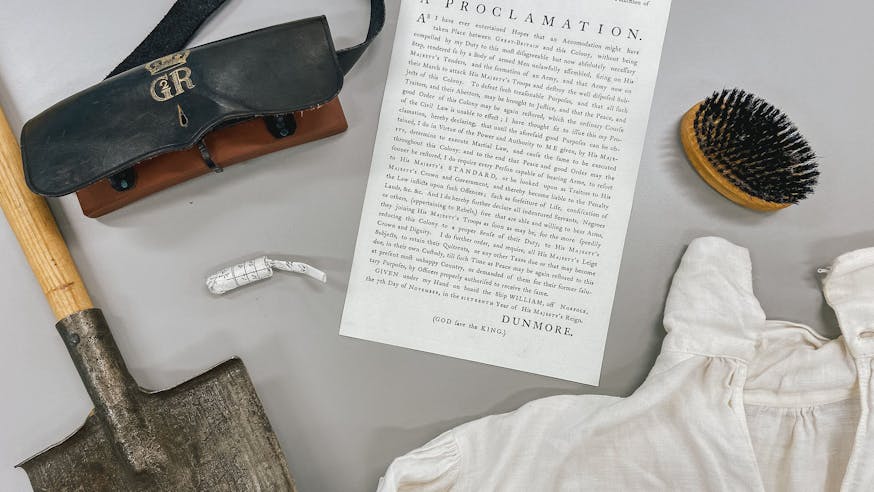
The Proclamation
Take a closer look at compelling stories about the diverse people and complex events that sparked America’s ongoing experiment in liberty, equality, and self-government with the Museum's blog.
The Declaration's Journey
India's Declaration of Independence in the United States
Dr. Emily Sneff, historian and guest curator of "The Declaration's Journey" explores the connections between Indian independence and the United States.
Dr. William E. Watson, Professor of History at Immaculata College, traces the story of Irish independence after falling under British rule in the 12th century up until gaining independence to the 20th century.
Expanding on the suffrage stories presented in "The Declaration’s Journey", discover the story of the Woman Suffrage Procession in Washington, DC in 1913.
Learn more about the stories featured in "The American Revolution" at the Museum, online and in our galleries. The documentary airs on PBS, Nov. 16–21, 2025.
In Order to Give Due Recognition: Native American Declarations in the 20th Century
Expanding on themes presented in the The Declaration’s Journey, explore the ways that multiple tribes directly invoked the Declaration to demand sovereignty throughout the 20th century.
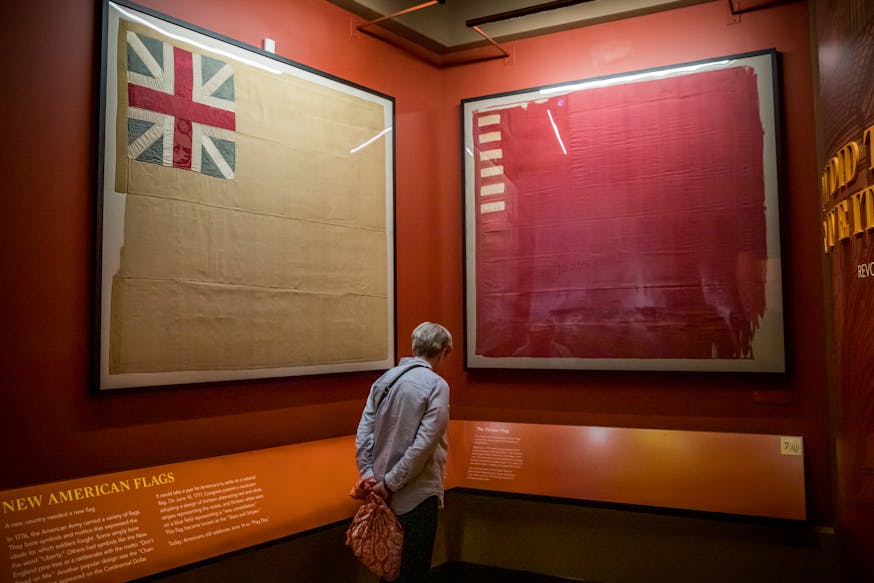
The two 2nd New Hampshire Regiment banners featured in the exhibition, as well as the Delaware Militia flag, were captured by the British during the war, and eventually travelled back across the pond to America.
Independence National Historical Park, National Park Service; Conserved with support from a Dean F. Failey Grant through the Decorative Arts Trust
Banners of Liberty
Stars and Stripes: The Progression of the American Flag
From the July 4 to sporting events, the American flag is everywhere across the country in summer. 50 stars and 13 stripes are a common sight, but when did those symbols begin?
Thirteen Stripes, One Union: The Story of Two Revolutionary War Flags From Philadelphia
Two of the flags in the Banners of Liberty – those of the 1st Pennsylvania Battalion and the Light Horse of the City of Philadelphia – demonstrate the shift in attitudes of American troops throughout the war. They also both originated right here in Philadelphia.
The Museum & FBI Team Up to Return Stolen Artifacts
Learn more about how the Museum has teamed up with the FBI Art Crime team to help recover stolen Revolutionary War-era firearms that were a part of a string of thefts in the 1960s and 1970s in and around Valley Forge.
Revolutionary Legacy and Ensuring the Promises of the American Revolution Endure
Dr. Philip Mead, now formerly the Museum’s Chief Historian, discussed enormous responsibility of American citizens to improve our system of government, ensure our rights, and make sure that we protect each other’s rights.
The Marquis de Lafayette's 1824-1825 United States Tour
View artifacts from the Marquis de Lafayette's 1824-1825 United States tour that were on display in the Museum's special exhibit, Witness to Revolution: The Unlikely Travels of Washington's Tent.
Bringing an Eyewitness Sketch of the Continental Army to Life
Four costumed living historians bring to life figures featured in Pierre Eugène du Simitière's eyewitness sketch of Continental Army soldiers and camp followers marching through Philadelphia in August 1777.
3D-Printed Tents Bring Hands-On Learning to Witness to Revolution Exhibit for Guests with Visual Disabilities
Learn more about the 3D-printed versions of George Washington's Revolutionary War tents produced by Clovernook Center for the Blind and Visually Impaired for the Witness to Revolution exhibit.
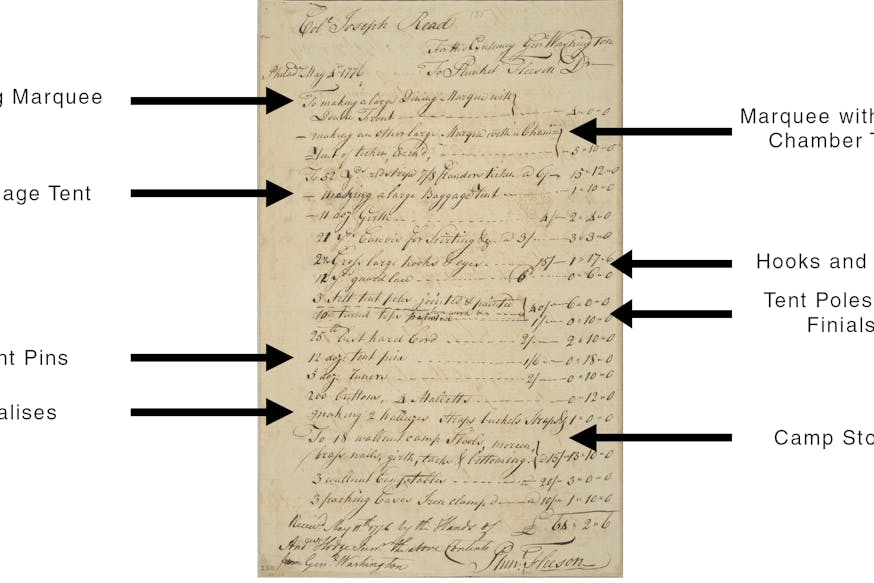
Breaking Down Plunket Fleeson's Receipt for George Washington's Tents & Equipment
Examine the details on this receipt dated May 4, 1776, to learn about the tents and camp equipment that General George Washington purchased from Philadelphia upholsterer Plunket Fleeson.
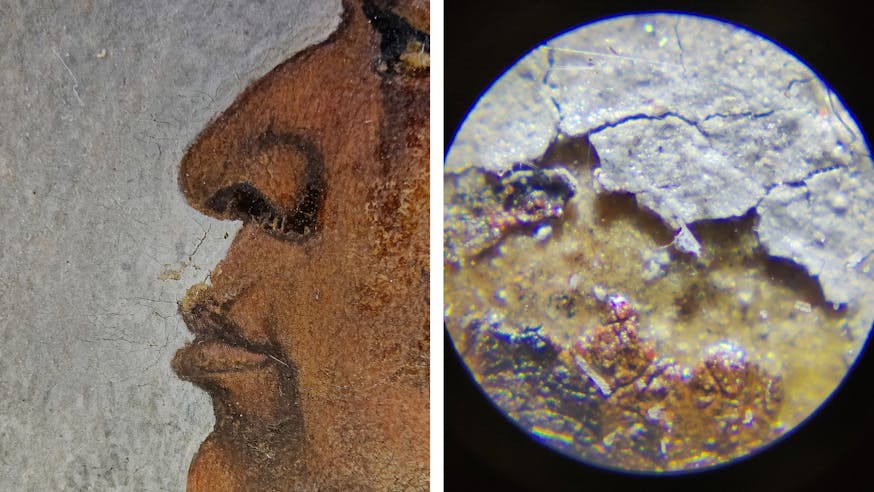
Conserving Black Founders: How Artifact Conservation Brought an Exhibition to Life
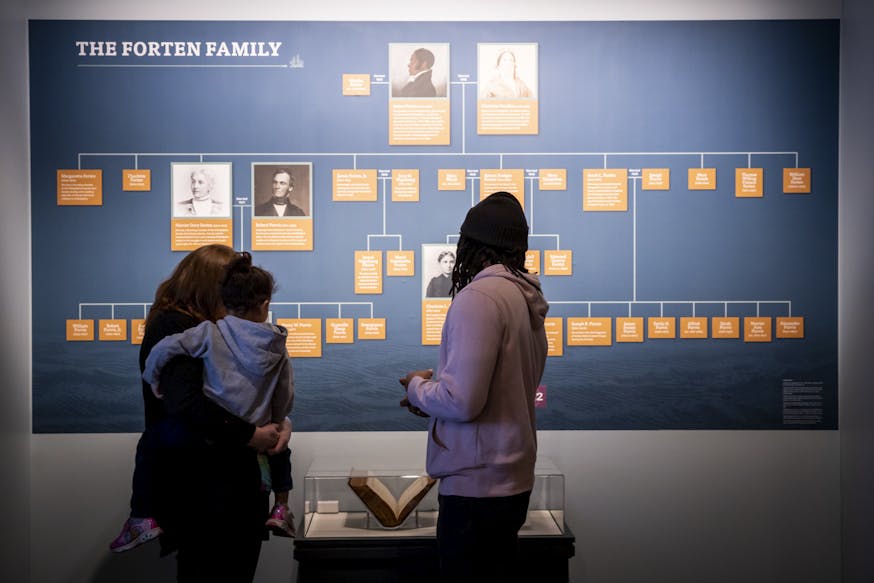
Read from five conservators who worked on conserving artifacts ahead of being displayed in the Museum's special exhibition, Black Founders: The Forten Family of Philadelphia.
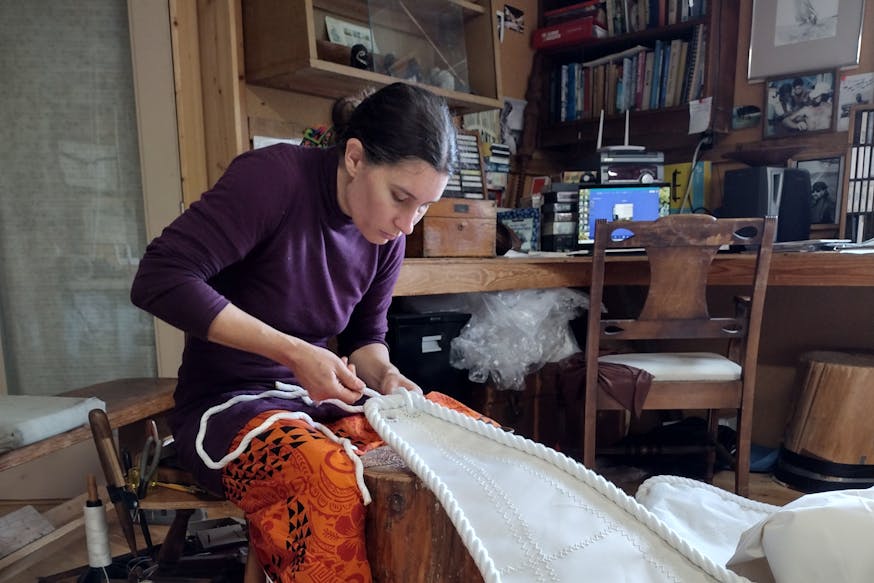
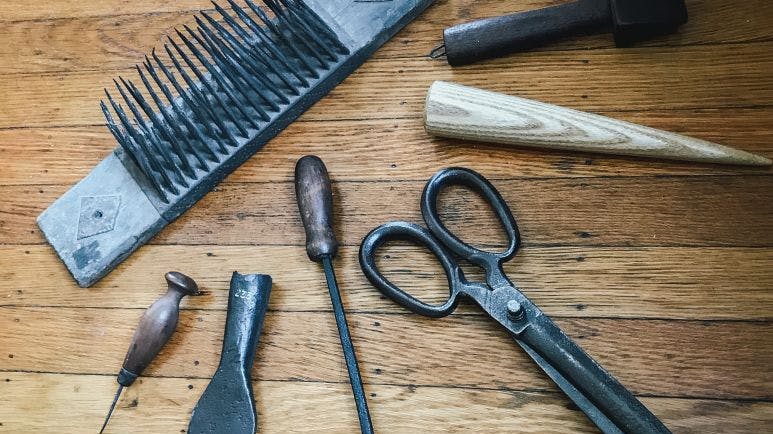
From James Forten to Force 10, the Craft of Traditional Sailmaking Continues Today
Nahja Chimenti and Sean Bunting of Force 10 Sailmaking and Rigging reflect on their work, compare their workshop to the recreated sail loft that was in our Black Founders exhibit, and look at how James Forten's Revolutionary-era sailmaking work is similar to their own.
Triumphant Lives: The Forten Legacy Fosters Scholarship and Historical Insight
Dr. Janice L. Sumler-Edmond recounts the past 50 years of academic scholarship on James Forten and his descendants that helped lead to the Museum's Black Founders special exhibition.
Forten Family Heirlooms on Loan from Descendants in Black Founders Exhibit
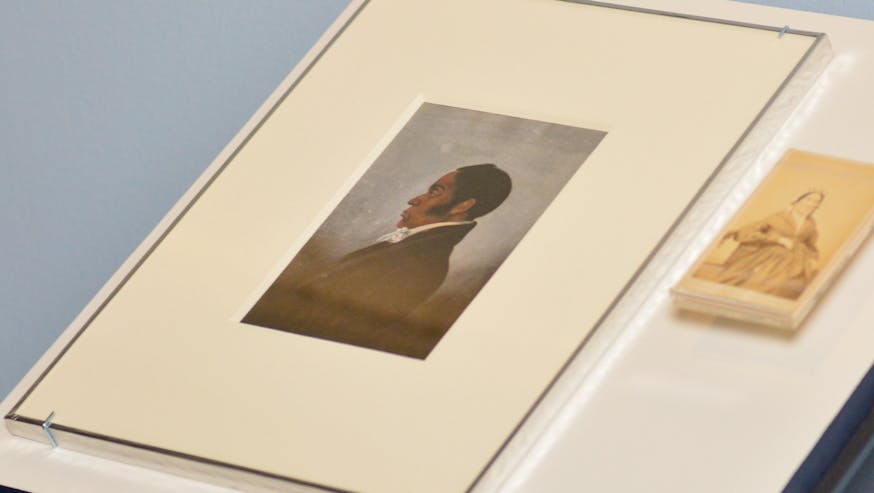
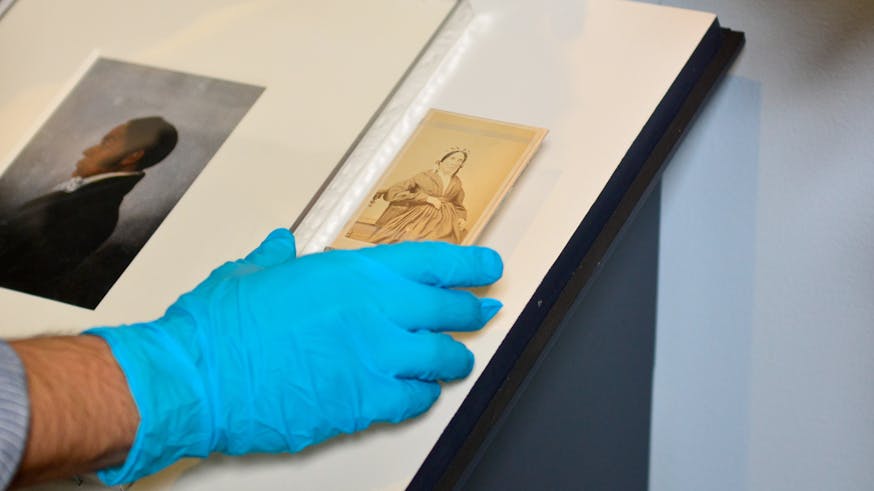
Learn more about the rare surviving objects on loan from Forten family descendants that are on display in our special exhibition, Black Founders: The Forten Family of Philadelphia.
Forten Family Artifacts on Loan from Howard University in Black Founders Exhibit
Take a closer look at the Forten family artifacts that the Howard University Moorland-Spingarn Research Center loaned to the Museum for our special exhibition, Black Founders: The Forten Family of Philadelphia.
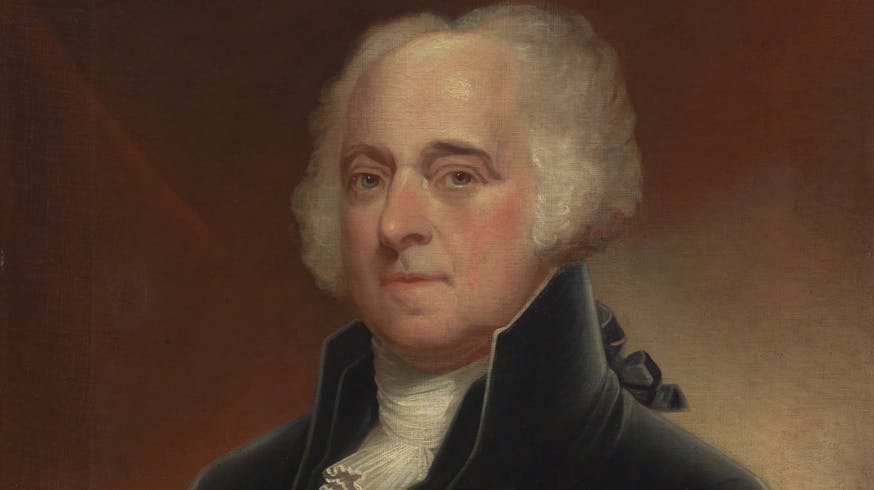
National Portrait Gallery, Smithsonian Institution
John Adams and Revolutionary Philadelphia's Summer Heat
Here are five times John Adams, signer of the Declaration of Independence and eventually the second President of the United States, wrote about his hatred for the heat during the summers of 1776 and 1777.
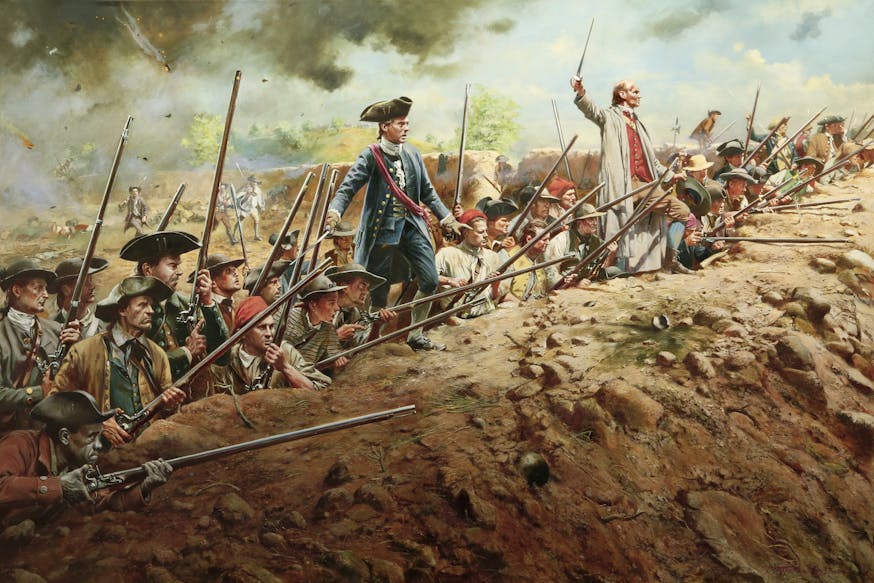
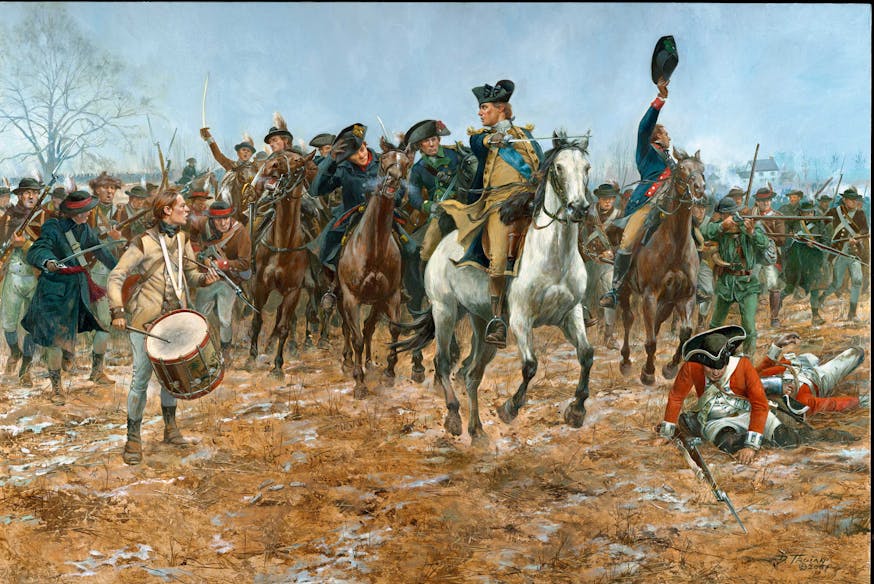
Battle of Bunker Hill in Liberty: Don Troiani's Paintings of the Revolutionary War Exhibit
Take a closer look at two paintings by nationally renowned historical artist Don Troiani as well as four objects related to the Battle of Bunker that are on display in our special exhibition.
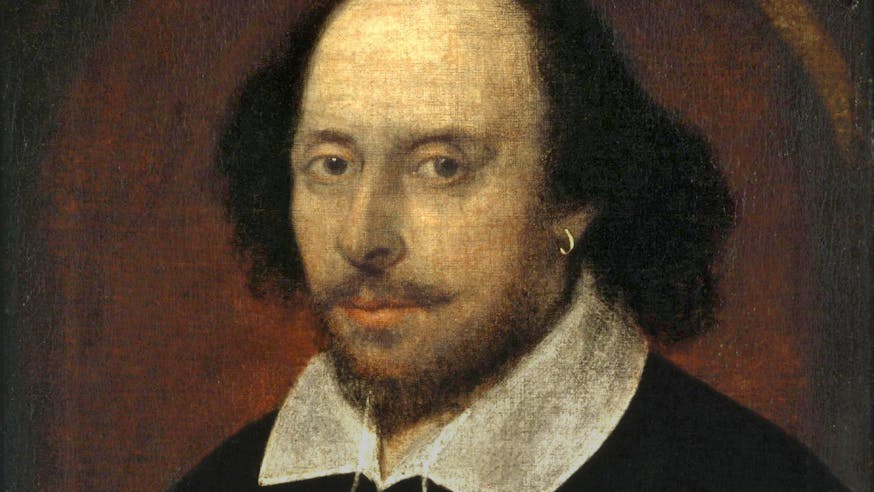
Founders' Writings on Their Admiration of William Shakespeare
Take a look at the deep appreciation many founders, like George Washington, John and Abigail Adams, and Thomas Jefferson, had for William Shakespeare and their recurring citations of his work.
Using paintings by artist Don Troiani of the Battles of Trenton and Princeton, complete a scavenger hunt about objects and people from the 10 Crucial Days.
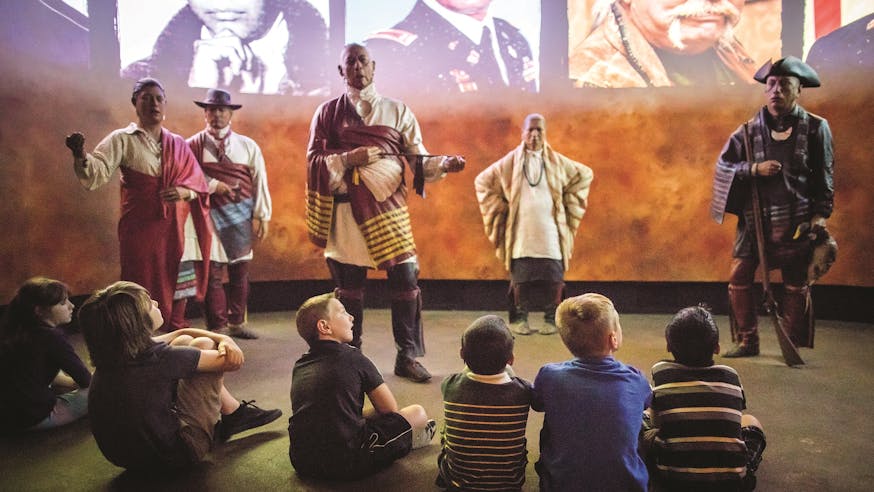
At the Museum's Oneida Nation Theater, featuring six life-cast figures and a film, meet Oneida people in the midst of a debate about how they will engage in the Revolutionary War.
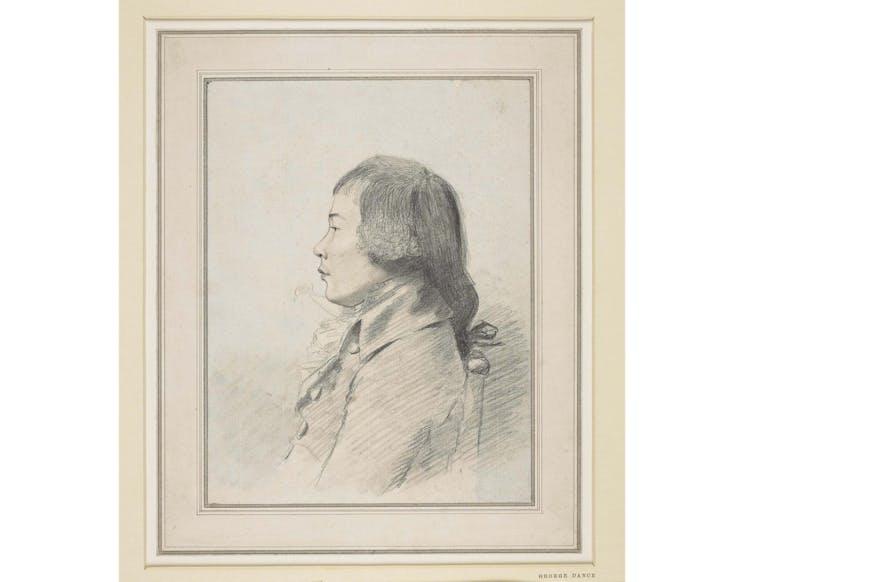
Looking Through the Silk Screen: Asian People in the American Revolution
Historian Daniel Sieh explores how the story of Charles Peters provides a fascinating window into the contributions made by Asian people to the American Revolution.
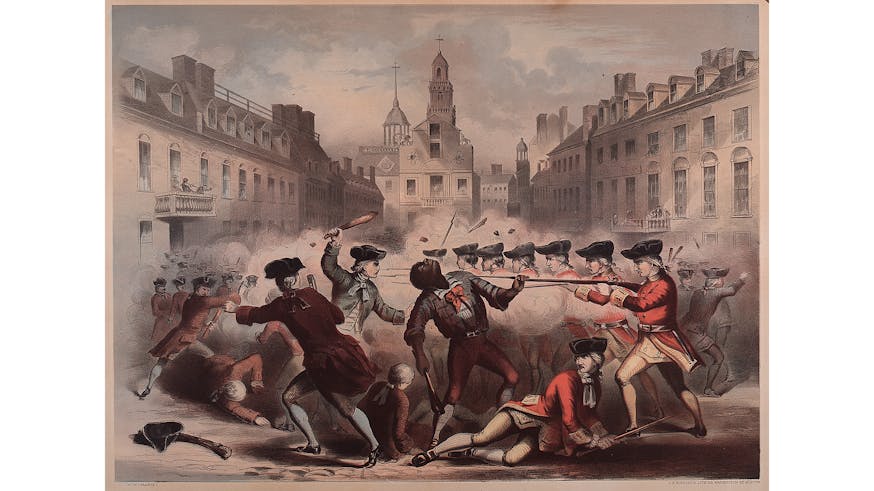
Boston Massacre and Propaganda: Changing Depictions of Crispus Attucks
Depictions of the Boston Massacre, the chaotic melee on March 5, 1770 that left five Bostonians dead, including Crispus Attucks, offer a glimpse into the blurred lines between reality and propaganda.
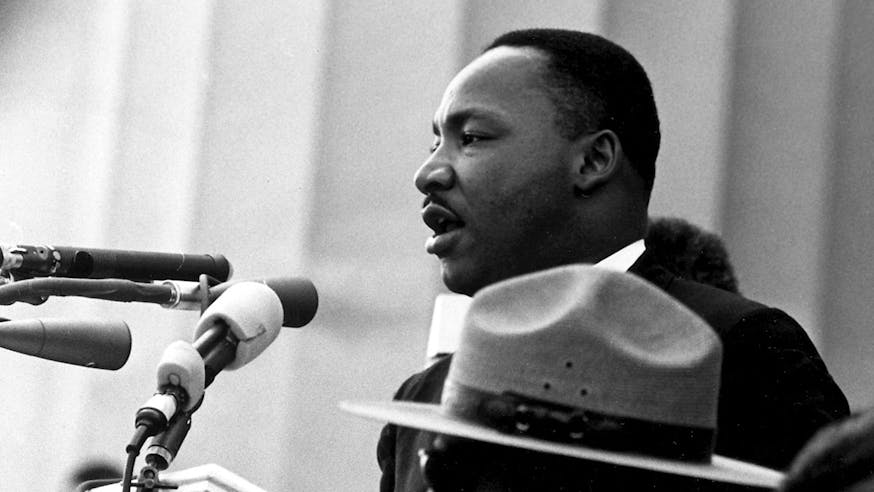
Dr. Martin Luther King Jr. and the Promises of the American Revolution
Learn about the life, service, and legacy of Dr. Martin Luther King Jr. through many of his speeches and writings that reference the America's founding documents.
Now on View: Jeremiah Keeler's Revolutionary War Sword
The sword of a soldier who served in the Continental Army’s Corps of Light Infantry, given to him by the Marquis de Lafayette and carried at the Siege of Yorktown, is now on display at the Museum.
Now on View: Trash Tells the Truth in New Archaeology Display
Learn more about artifacts now on view that were found at the site of the Museum that came from Benjamin and Mary Humphreys' privy and reveal the truth about life in a Revolutionary city.
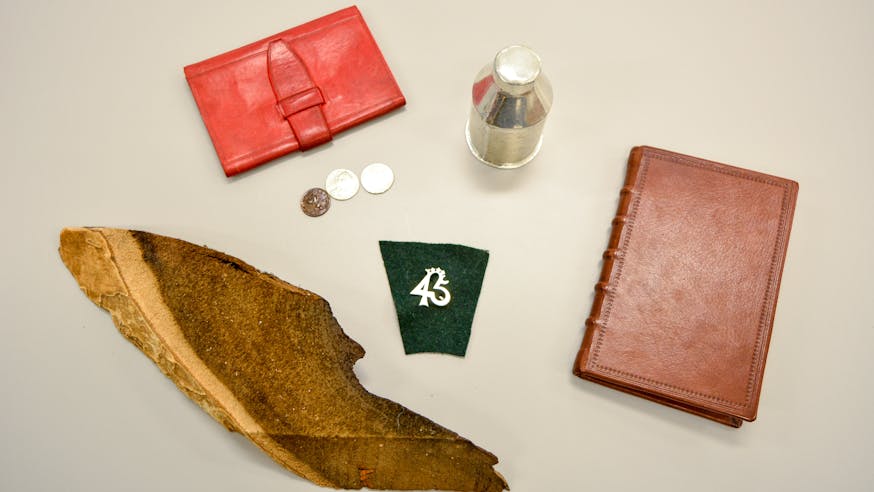
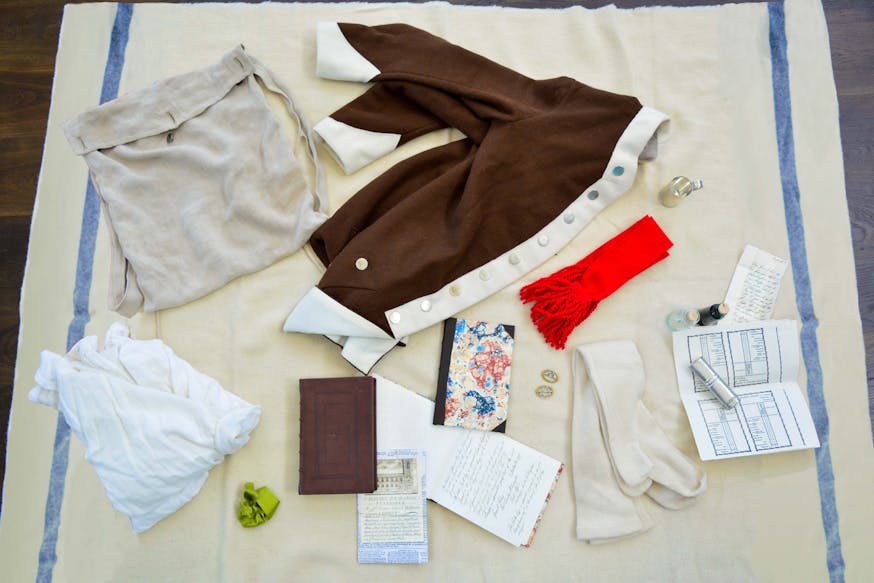
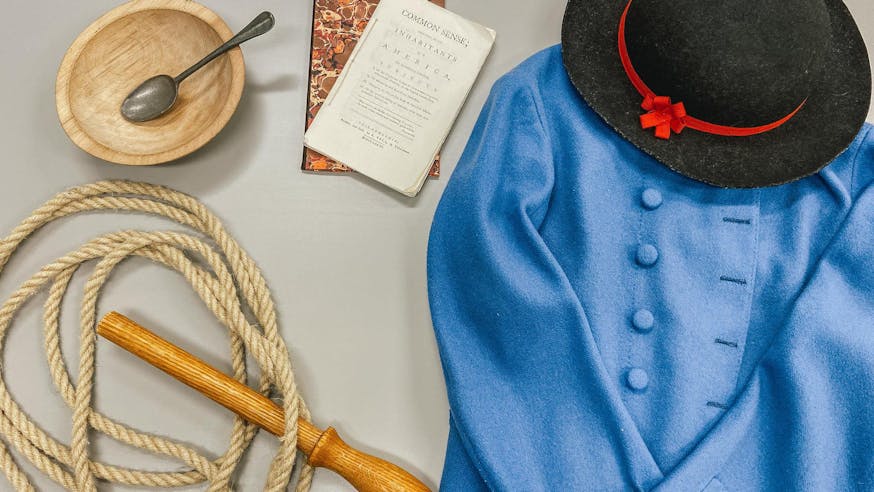
Themed discovery carts offer digital guests a chance to view replica objects and documents to dig deeper into stories and people of the Revolution.
Protest in Early America Discovery Cart
Learn how early Americans used boycotts, printed propaganda, violence, and public demonstrations to advocate for various causes, and consider the similarities and differences between the 18th century through to today.
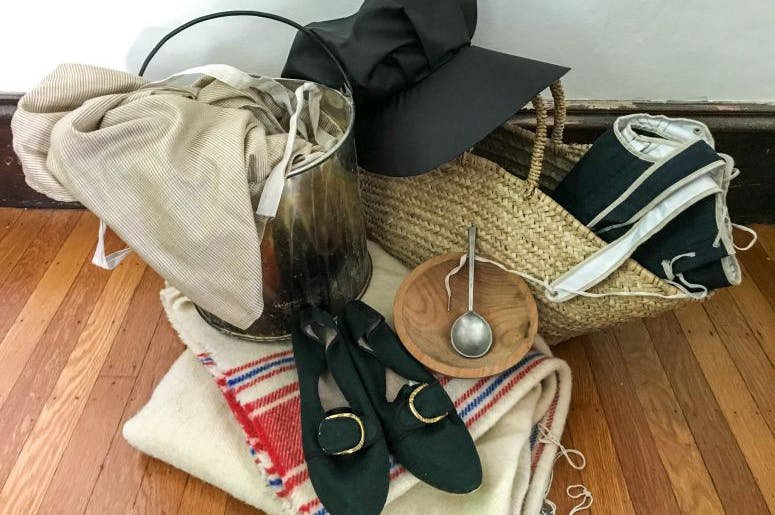
View replica objects from the time James Forten, a free Revolutionary War veteran, wealthy sailmaker and prominent Philadelphia abolitionist, spent as a teenager at sea to learn more about his life.
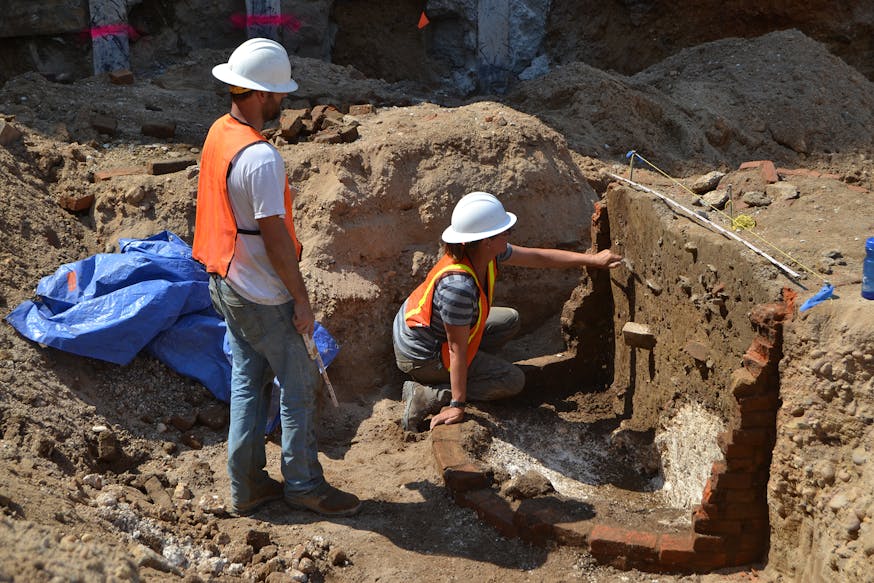
View a sample of the artifacts found during the archaeological dig at the site of the Museum of the American Revolution in Old City, Philadelphia, prior to construction.
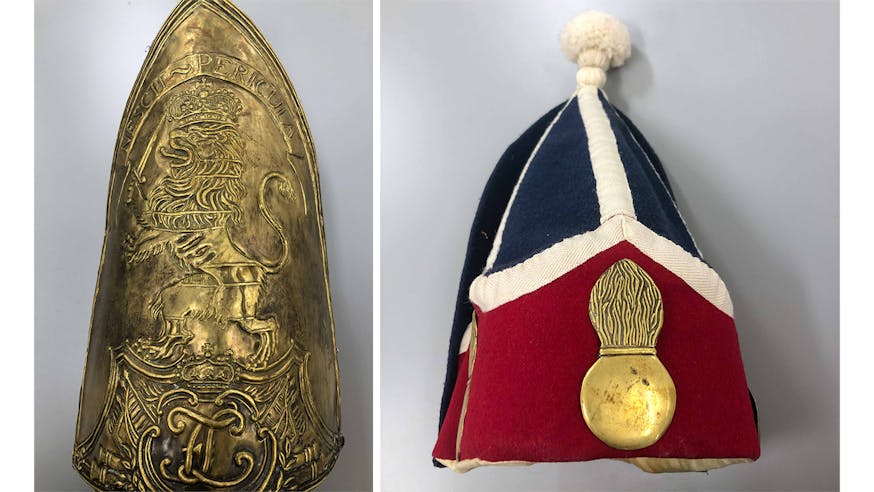
Take a closer look at items featured in this digital discovery cart about Hessian soldiers and the Battles of Trenton and Princeton that turned the tides of the Revolutionary War.
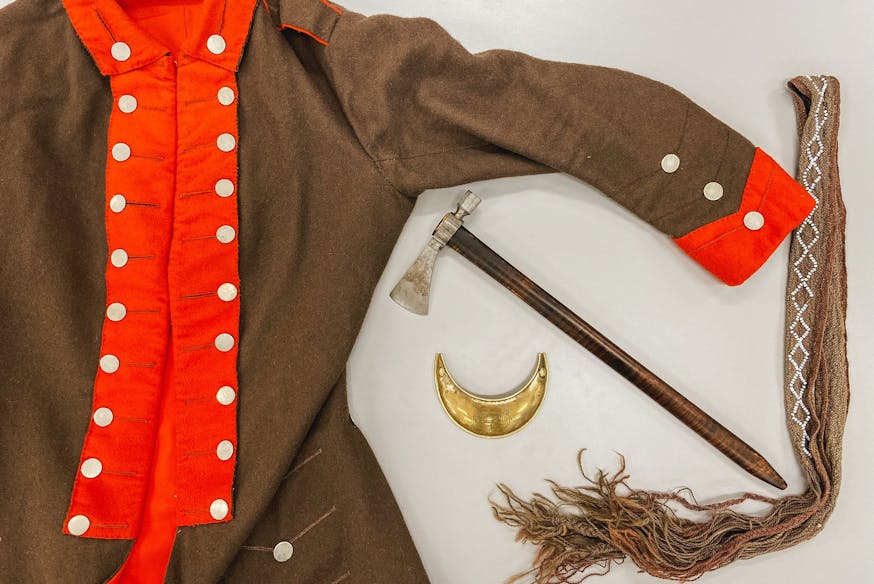
Explore replica objects related to the life of Harry Washington, who was enslaved by the Washingtons and found freedom through service in the British army.
Explore Revolutionary sites and spaces around historic Philadelphia with facts and commentary on these little-known histories.
A Walk Through George Washington's Philadelphia
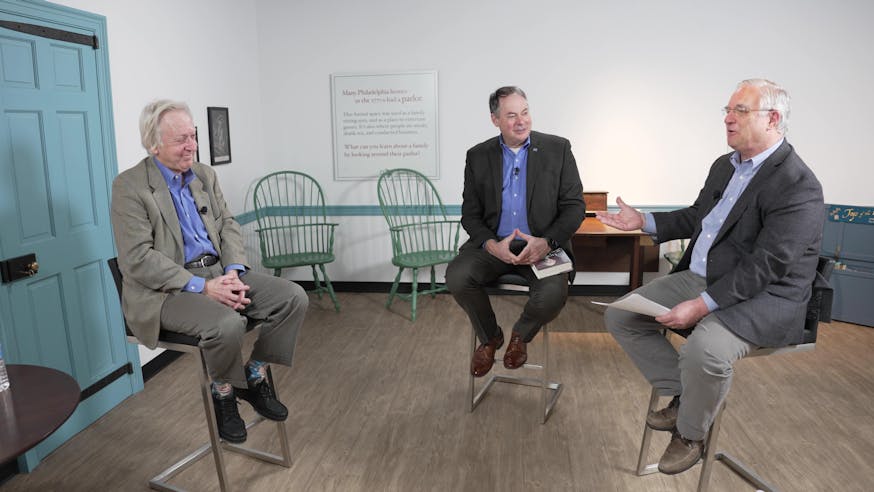
Authors and historians David O. Stewart and Talmage Boston joined Dr. R. Scott Stephenson for a walking tour through George Washington’s Philadelphia, including stops at Independence Hall, the President’s House, and Congress Hall.
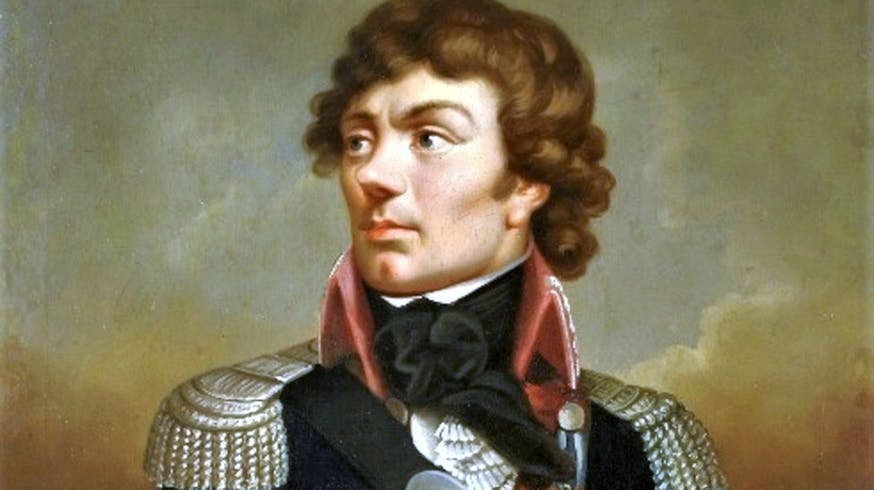
Karl Gottlieb Schweikart, Portrait of Tadeusz Kościuszko, National Museum in Warsaw
Thaddeus Kościuszko Virtual Walking Tour
Learn more about one of Poland’s most famous national heroes, Thaddeus Kościuszko, his contributions to the American Revolution, and his influence right here in Philadelphia.
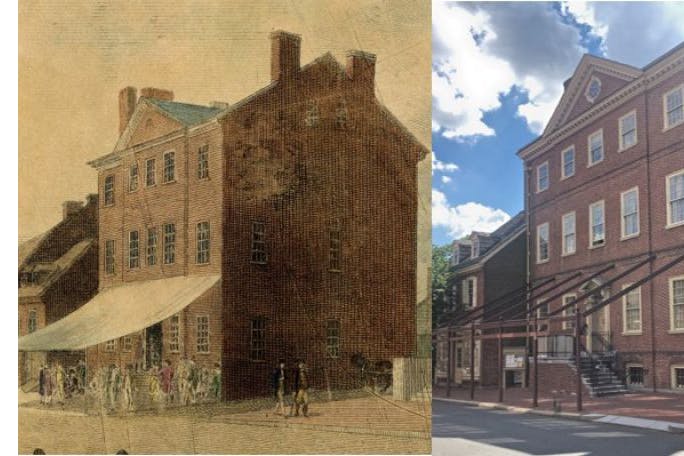
Without Philadelphia, there might not have been the Alexander Hamilton we know today. Check out notable sites from Hamilton's time in Revolutionary Philadelphia.