

- October 11 - 13, 2025
- Museum of the American Revolution
-
Book Tickets
Member Tickets
Included in regular Museum admission.

Join us at the Museum to explore Native American history, culture, and their role in the American Revolution, as part of our annual Indigenous Peoples Weekend celebration, Oct. 11-13.
10-Minute Talk: Akiatonharonkwen, Louis Cook
Onsite | Daily at 11:30 a.m.
Meet an educator to learn about Louis Cook, one of the highest-ranking Native American officers in the Continental Army!
Explore Native Cultures: Haudenosaunee Music, Dance, and Traditions
Onsite | Daily at 12:30 p.m.
Join Jordan Smith (Mohawk, Bear Clan), Kehala Smith (Tuscarora Nation, Turtle Clan), and Hallz Jimerson (Onondaga Nation, Bear Clan) as they share stories, culture, costuming, song, and dance from Haudenosaunee Culture, with an emphasis on the 17th, 18th, and 19th centuries.
Discovery Cart: Native Americans in the Revolution
Onsite | Daily from 11 a.m. - 3 p.m.
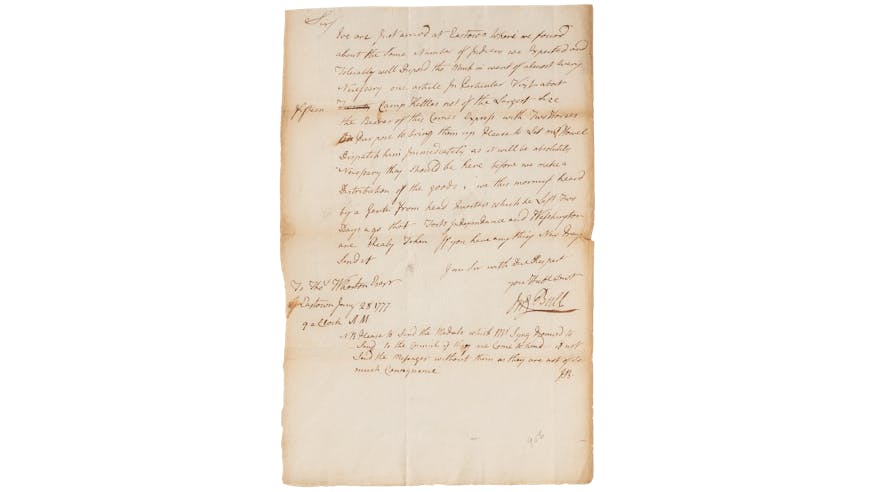
Join a Museum educator at a discovery cart featuring replica artifacts and documents to learn about Tyonajanegen (Two Kettles Together), an Oneida woman who participated in the violent Battle of Oriskany during the Saratoga Campaign.
Meet the Revolution
Onsite | Daily from 11 a.m. – 4 p.m.
As part of our Meet the Revolution series, meet living history interpreters Kehala (Mohawk, Bear Clan) and Jordan (Mohawk, Bear Clan) Smith, as well as Halzz Jimerson (Onondaga Nation, Deer Clan), who will share stories about their culture, costuming, and traditions and engage guests in conversation about the past, present, and future of their people. They also will demonstrate and display culturally meaningful objects and materials, including woven baskets, slippery elm bark, and wampum belts.
Oneida Nation Gallery
Onsite | Daily
In the Museum’s core exhibition, visitors can explore an immersive multimedia gallery about the Oneida Indian Nation’s debate over whether or not to break away from the Six Nations Confederacy to support the Revolutionary cause. Listen as recreated figures representing Oneida men and women discuss the difficult choices they faced.
The People of the Standing Stone Film
Onsite | Daily, 3:30 p.m.
The People of the Standing Stone explores the crucial but little-known history of the extraordinary contributions of one Native American people who chose to commit themselves to the Revolutionary cause when nearly all others fought on the side of the British during America’s War for Independence. The moving 25-minute film was directed by Emmy Award-winning director Ric Burns and narrated by Academy Award-winning actor Kevin Costner.
The People Between: Native Americans in a Revolutionary Era Gallery Guide
Onsite & Online | Daily
More than 250,000 Native Americans lived east of the Mississippi River during the Revolutionary era. They formed more than 80 nations and spoke dozens of languages. The decades of political turmoil and warfare that divided Great Britain and its colonies and led to the creation of the United States profoundly affected native people. Use this gallery guide to explore their stories throughout the Museum and in our Virtual Museum Tour.
Event details and programming are subject to change.
Learn More

Native American Interpretive Program
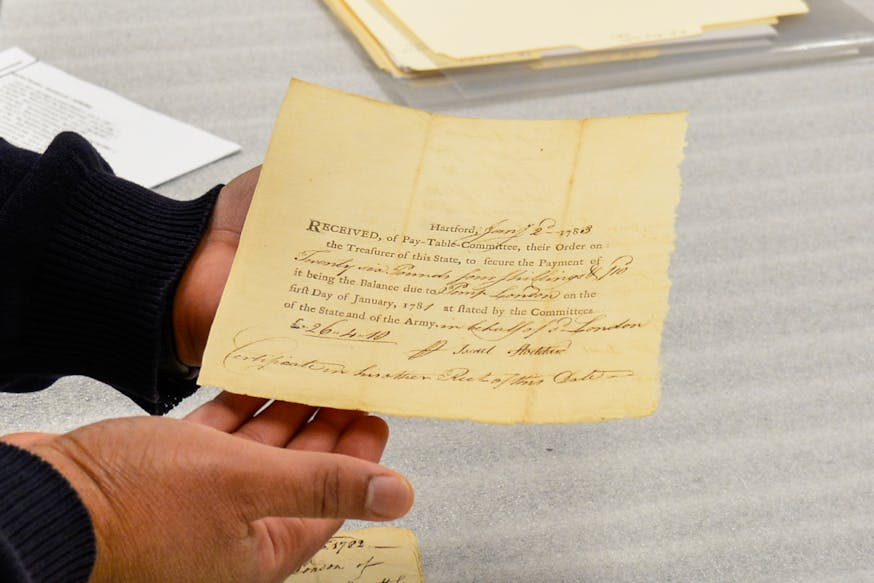
Patriots of Color Archive: Black and Indigenous Soldiers in the Revolutionary War